
Myanmar is currently navigating a complex energy transition. With a massive portion of its population living in remote rural areas without reliable access to the centralized national power grid, the push for modern electric mobility faces significant geographical hurdles. However, the rapidly falling cost of solar photovoltaics and advanced battery technology has sparked an highly innovative solution. The deployment of Myanmar Solar Mini-Grids is completely revolutionizing how off-grid communities access power, turning a massive infrastructural challenge into an incredible opportunity for zero-emission transportation.
Breaking Free From Fossil Fuel Dependency
Historically, rural and off-grid drivers relied heavily on expensive, imported diesel fuel to power both their generators and their internal combustion engine vehicles. This dependency created severe economic bottlenecks and heavily polluted pristine local environments. Today, the strategic installation of Myanmar Solar Mini-Grids allows local electric vehicle (EV) drivers to completely bypass the volatile fossil fuel market. By capturing the region's abundant daily sunshine, these localized power stations generate 100% clean energy.
Furthermore, these isolated micro-grids actively reduce the crippling burden on the national electricity grid, which frequently struggles with infrastructure deficits. By operating completely independently, the integration of Myanmar Solar Mini-Grids creates a highly localized economy where energy is generated and consumed exactly where it is needed most, ensuring that vital economic capital remains circulating within the local rural community.
Empowering Rural Communities And Transport Networks
The advantages of decentralized solar power extend far beyond simple convenience. These autonomous systems are actively building a highly resilient Sustainable Transport network across the country's most isolated regions. Local entrepreneurs are actively capitalizing on this green transition by establishing independent charging kiosks powered by the sun, providing a vital service to electric motorbike and tuk-tuk drivers.
Smart Storage And Continuous Charging
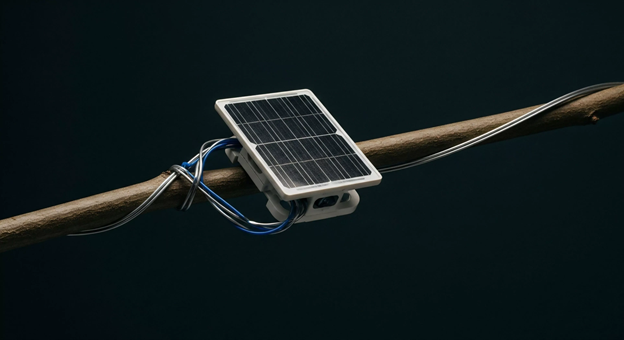
The core strength of modern Myanmar Solar Mini-Grids lies in their advanced Renewable Energy Storage systems. Because the sun only shines during the day, capturing and securely storing excess photovoltaic power is absolutely essential for reliable EV charging. High-capacity lithium-ion battery banks store the surplus solar energy generated at peak noon, ensuring that drivers can seamlessly charge their electric vehicles overnight. This steady, round-the-clock reliability provided by Myanmar Solar Mini-Grids actively eliminates range anxiety for rural commuters, making electric mobility a highly practical reality, even hundreds of miles from the nearest centralized power plant.
The Future Of Sustainable Transport In Southeast Asia
As international investors, local governments, and private developers continue to expand the scope of Rural Electrification, the profound synergy between renewable energy and electric vehicles will only strengthen. Expanding these localized EV Charging Infrastructure networks actively protects the nation's fragile ecosystems by entirely eliminating toxic tailpipe emissions.
For industry professionals, investors, and eco-conscious drivers wanting to stay continuously updated on the latest shifts in Off-Grid Mobility, clean energy technology, and regional automotive trends, exploring the expert insights over at AsiaCarNews provides an excellent, up-to-date daily resource.
Ultimately, the aggressive, successful rollout of Myanmar Solar Mini-Grids serves as a powerful, globally replicable blueprint. By successfully proving that localized, off-grid solar power can effectively sustain modern electric transportation, the country is proudly setting a brilliant new standard for inclusive, green mobility.
Do you think decentralized solar networks are the ultimate solution for powering electric vehicles in developing nations? How would living completely off the grid change your daily commute?
Share your thoughts, questions, and insights in the comments below!