
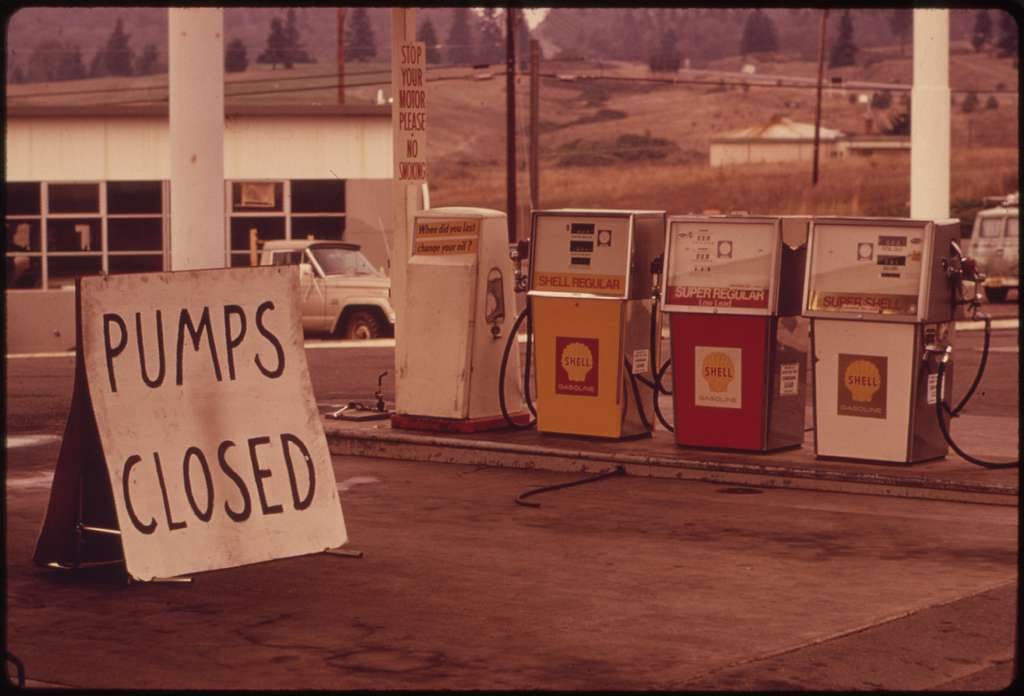
Myanmar has announced strict Myanmar Fuel Restrictions that will impact private vehicle usage starting this week. The military junta declared that half of all private vehicles will be banned from the roads each day to conserve oil stocks, which have been strained by conflict in the Middle East.
The restrictions begin on Saturday and will operate by license plate numbers: vehicles with even-numbered plates may only drive on even-numbered calendar days, while odd-numbered plates are restricted to odd-numbered days. This measure comes as the country imports nearly 90 percent of its fuel, making it highly vulnerable to global oil supply shocks.
Why Myanmar Is Facing Fuel Shortages
Global Conflicts Disrupt Supply
Recent joint attacks by the United States and Israel on Iran, combined with the ongoing wider conflict in the Middle East, have disrupted maritime oil trade routes. These disruptions have caused fuel prices to surge internationally and left Myanmar scrambling to conserve limited stocks.
Domestic Vulnerability
The junta highlighted that Myanmar’s reliance on imported fuel makes the country particularly sensitive to global price swings. “Due to current global political conditions and military conflicts in the Middle East, there are ongoing blockades and disruptions along the maritime trade routes used by oil tankers,” the statement read.
Key Details of the Fuel Restrictions
-
Vehicle Rules: Private vehicles will alternate days on the road based on plate numbers.
-
Exemptions: Electric vehicles, buses, taxis, cargo vehicles, emergency services, and garbage trucks are not subject to restrictions.
-
Enforcement: Violations will result in legal action, though details on policing remain unclear.
-
Prohibitions: Fuel business owners and the public are banned from hoarding fuel or reselling at inflated prices.
These restrictions primarily apply to areas under military control, as rebel-held territories operate under separate administrations without similar fuel measures.
Impacts on Daily Life and Transport
The Myanmar Fuel Restrictions are expected to affect daily commuting, logistics, and business operations. Many residents rely on private vehicles for essential travel, and alternate-day driving could lead to congestion on permitted days. Fuel rationing may also slow public transport and freight operations in key urban and rural regions.
Experts warn that without alternative energy sources or expanded use of electric vehicles, the population will face continued mobility challenges. Platforms like AsiaCarNews provide guidance on alternative vehicles, EV adoption, and navigating fuel-saving options, which could help mitigate some disruptions.
Looking Ahead
Myanmar’s energy vulnerability underscores the need for a more resilient transport and fuel strategy. While the Myanmar Fuel Restrictions are a short-term measure, long-term solutions may include expanding domestic fuel production, promoting electric vehicles, and improving public transport networks.
Have you experienced the effects of the Myanmar Fuel Restrictions? Are alternate-day driving rules changing your commute or business operations? Share your thoughts, tips, or experiences in the comments below—your insights could help others navigate these challenging times.