
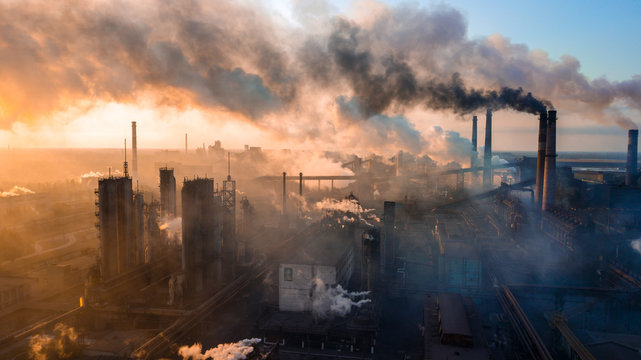
For urban centers in Myanmar, particularly Greater Yangon, air quality remains a pressing concern, with vehicular exhaust being a major contributor to harmful pollutants like particulate matter (PM), carbon monoxide (CO), and nitrogen oxides (NOx). While large-scale solutions involve shifting to cleaner fleets and electric vehicles (EVs)—a transition that the government is encouraging through pilot projects and new regulations as of 2025—individual drivers hold significant power to mitigate emissions immediately. Adopting Low-Emission Driving practices and diligent maintenance can collectively lead to a measurable improvement in Yangon Air Quality.
The central issue is often two-fold: an aging vehicle fleet and the detrimental effects of heavy Traffic Congestion, which forces engines to operate inefficiently, spiking pollutant output.
The Power of Proactive Vehicle Maintenance
The most immediate and cost-effective action a driver can take is to ensure their current vehicle is operating at peak efficiency. This is a core element of Low-Emission Driving.
1. Regular Engine Tune-Ups and Oil Changes
A poorly tuned engine burns fuel inefficiently, dramatically increasing the emission of CO and volatile organic compounds (VOCs). Regular oil changes, spark plug replacements, and air filter checks are non-negotiable for Vehicle Maintenance. A clean air filter ensures the engine gets the right air-fuel mixture, directly reducing unnecessary emissions and simultaneously boosting fuel economy.
2. Catalytic Converter Check
Older gasoline cars may have issues with the catalytic converter, which is designed to convert toxic gases into less harmful pollutants. Research indicates that issues, possibly stemming from past leaded Fuel Quality in the region, can deactivate these crucial components. An operational catalytic converter is vital; ensuring it is functioning is an essential check for maintaining Low-Emission Driving status.
3. Tire Pressure and Weight Management
Under-inflated tires increase rolling resistance, forcing the engine to burn more fuel to maintain speed. Check tire pressure monthly. Additionally, removing unnecessary weight from the trunk or cabin, and even taking down unused roof racks, reduces the load on the engine and thus cuts down on fuel consumption and emissions. This simple practice contributes to better Fuel Economy.
Adopting Low-Emission Driving Habits
Much of the pollution problem in Yangon is intensified by stop-and-go conditions. Studies have shown that Traffic Congestion causes emissions to spike as vehicles idle and accelerate frequently. Changing how you drive can be as important as what you drive.
1. Minimize Idling
Modern engines do not require long warm-up times. If you are stopped for more than 10 seconds—such as waiting in heavy traffic or for a passenger—switch off the engine. Idling wastes fuel and releases pollutants directly into the air people are breathing on the street. This habit is a direct path to Low-Emission Driving.
2. Drive Smoothly
Aggressive driving, characterized by sudden acceleration and harsh braking, is inherently inefficient. Smooth, gradual acceleration and braking minimize stress on the engine and drivetrain, significantly improving Fuel Economy and reducing the production of NOx and PM. Look further ahead to anticipate traffic changes.
3. Plan and Combine Trips
Reduce the total distance traveled by combining errands into a single trip. Better yet, embrace Clean Urban Mobility by opting for walking, cycling, or public transport for short urban distances. This action directly removes a vehicle from the road network, offering the biggest possible emission reduction. For those maintaining their vehicles, staying informed on global auto trends, including those on platforms like AsiaCarGroup, can offer valuable insights into parts and maintenance.
By prioritizing both vehicle maintenance and thoughtful driving habits, urban drivers in Myanmar can be active participants in the effort to improve the quality of the air they breathe.
Between a regular engine tune-up and the daily habit of avoiding excessive idling in traffic, which action do you think has the greater immediate impact on improving Yangon Air Quality today? Share your opinion below!