
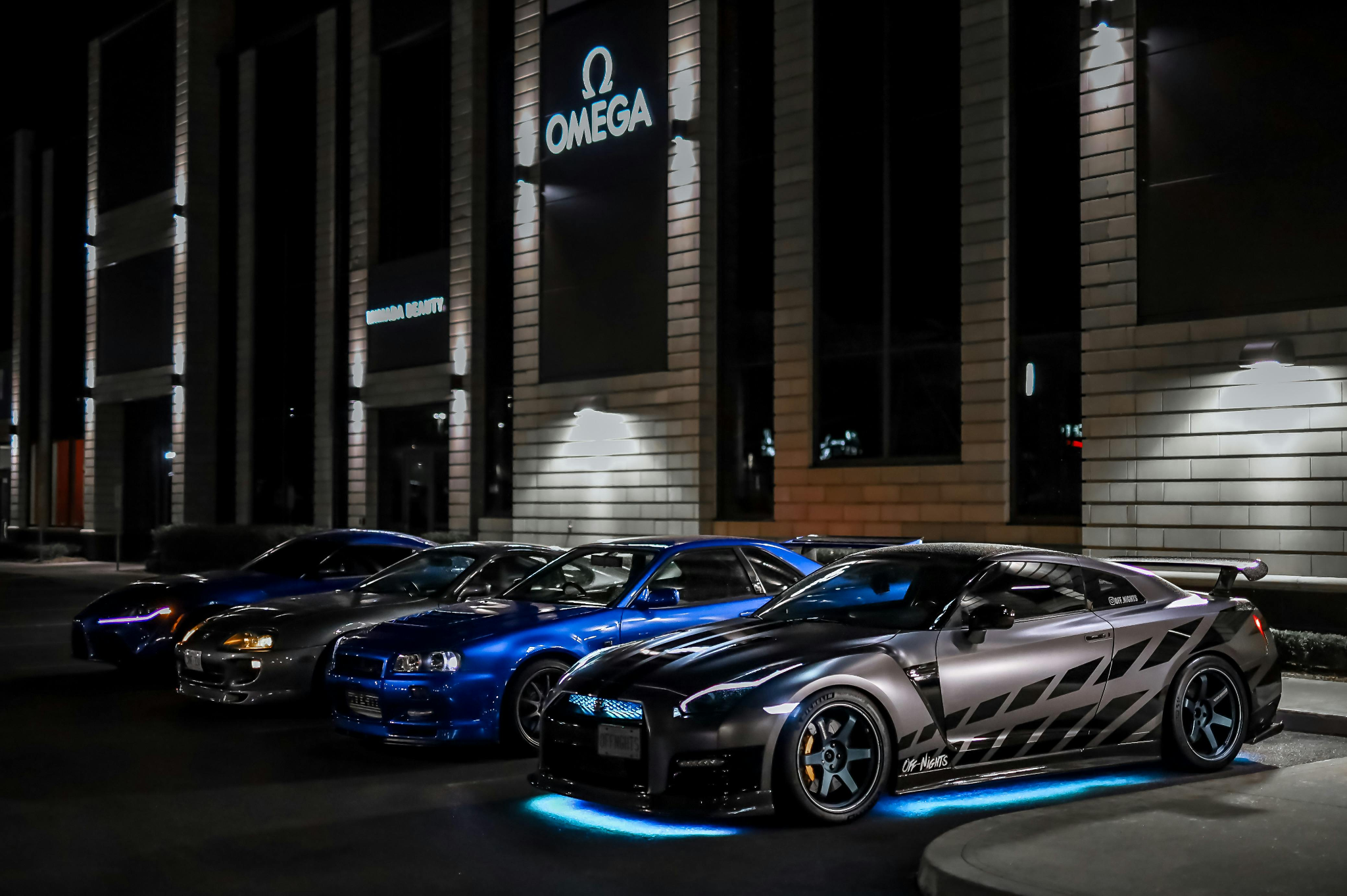
Despite geopolitical shifts and growing interest in alternatives, Japanese Car Dominance remains deeply rooted in Myanmar’s automotive landscape. Drivers consistently favor brands like Toyota, Nissan, and Honda for their proven reliability, durability, and strong resale value. Affordable access to spare parts and service reinforces this preference across income levels.
Why the Japanese Car Dominance Persists
Trust and Reliability
Japanese models continue to dominate because they’ve earned the trust of Myanmar’s drivers. These vehicles deliver long-term performance, reliability, and ease of maintenance—core factors that reinforce ongoing Japanese Car Dominance in both rural and urban settings.
Used Car Market Leadership
The used car sector plays a pivotal role in sustaining Japanese Car Dominance. Across dealerships and online platforms, secondhand Japanese vehicles remain the most traded, thanks to affordability and quality consistency. Inspections and vehicle histories available online make them even more accessible to buyers.
Shifting Landscape of Japanese Car Dominance
Rise of Chinese EVs and Alternative Options
In recent years, Myanmar has seen growing interest in Chinese EV brands like BYD, MG, and Leapmotor. These newcomers appeal to eco-conscious consumers seeking modern design and advanced features. However, full-scale adoption remains limited by infrastructure constraints—meaning Japanese Car Dominance still prevails for most buyers.
Tourism and Convenience Remain Key Priorities
Myanmar’s terrain and growing urbanization sustain demand for sturdy, dependable Japanese sedans and SUVs—vehicles well-suited to navigate both crowded city routes and rougher regional roads. Until EV infrastructure becomes widespread, Japanese Car Dominance will continue to reflect practical consumer needs.
The Road Ahead for Japanese Car Dominance
Future Competition and Emerging Trends
As electric mobility and hybrid models gain visibility, the landscape may gradually shift. Yet for now, Japanese Car Dominance holds strong, especially where dependability and service access are vital. Hybrid versions of familiar Japanese models could bridge the gap between tradition and innovation in the future.
Supporting Buyers with Updated Resources
Platforms like Asia Car Group’s portal help buyers explore everything from well-loved Japanese models to rising alternatives. As the market evolves, such tools will play a key role in informing smarter vehicle choices—while Japanese Car Dominance remains the backbone of Myanmar’s auto scene.
Which Japanese car do you own or admire in Myanmar—perhaps a dependable Corolla or an adventurous Hilux? Share your experiences or dream models in the comments below—let’s keep the engine of conversation running!