
Myanmar is exploring a new phase in its automotive development strategy as authorities seek to expand the country's electric vehicle sector through domestic manufacturing. The latest plans focus on advancing Myanmar EV Production, moving beyond vehicle imports and semi-knocked-down (SKD) assembly operations toward more localized production capabilities.
The initiative follows high-level discussions and visits to major Chinese electric vehicle manufacturers, reflecting Myanmar's growing interest in developing a domestic EV industry despite ongoing infrastructure and economic challenges.
Myanmar's EV Market Continues to Expand
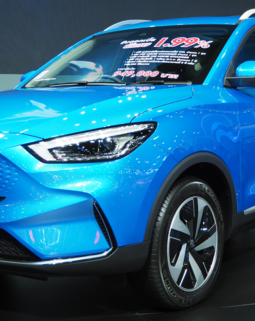
The country's electric vehicle sector has grown considerably since EV promotion policies were introduced in 2023. Chinese brands currently dominate the market, with electric passenger cars, commercial vehicles, and fleet vehicles becoming increasingly visible on Myanmar's roads. The expansion of Myanmar EV Production is viewed as a potential step toward reducing dependence on imported vehicles while creating opportunities for industrial development.
Rising EV Registrations
Electric vehicle adoption has increased steadily over the past few years. By March 2025, more than 18,000 EVs had been registered nationwide, highlighting growing consumer interest in electric mobility. The growth of the EV market has encouraged policymakers to explore ways of strengthening Myanmar EV Production through greater localization and manufacturing activities.
Dependence on Imported Vehicles
At present, Myanmar relies heavily on imported electric vehicles, particularly from China. Domestic automotive activities remain focused on SKD assembly rather than full-scale vehicle manufacturing. Developing Myanmar EV Production would require significant investments in production facilities, supply chains, and technical expertise.
China Plays a Key Role in Myanmar's EV Development
China remains Myanmar's largest source of electric vehicles and automotive technology.
Learning from Leading EV Manufacturers
Recent visits to Chinese EV production facilities provided opportunities to observe advanced manufacturing processes and emerging technologies. Companies such as Leapmotor and other Chinese automakers have become major players in the global EV industry. For Myanmar, these experiences may help inform future strategies aimed at expanding Myanmar EV Production and automotive manufacturing capabilities.
Technology Transfer Opportunities
Partnerships with international automakers could potentially support technology transfer, workforce training, and production development if local manufacturing projects move forward. Industry analysts following Asian automotive developments through AsiaCarGroup note that collaboration with established EV manufacturers is often critical for emerging automotive markets seeking to develop local production capacity.
Challenges Facing Domestic EV Manufacturing
While ambitions for Myanmar EV Production are growing, significant obstacles remain.
Charging Infrastructure Limitations
One of the largest challenges is the limited availability of charging stations throughout the country. Although charging networks have expanded in major cities, infrastructure remains insufficient in many regions. A larger EV fleet would require substantial investment in charging facilities to support long-term growth.
Electricity Supply Concerns
Myanmar continues to face electricity shortages and frequent power outages. Reliable energy infrastructure is essential for both EV charging and vehicle manufacturing operations. Without improvements in power generation and distribution, the rapid expansion of Myanmar EV Production could face operational difficulties.
Service and Repair Networks
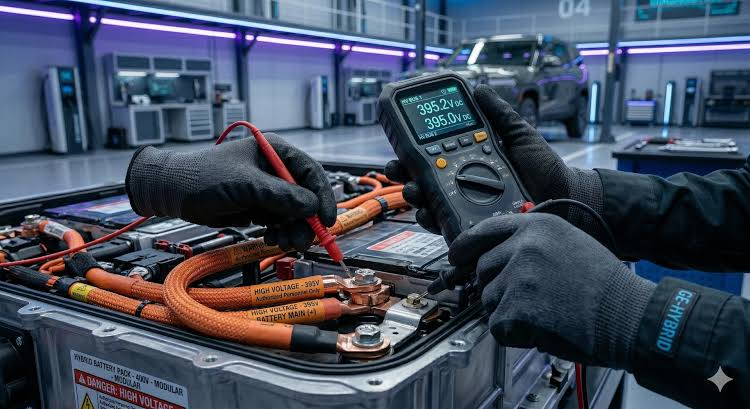
The EV sector also requires trained technicians, specialized tools, and readily available spare parts. Current repair infrastructure remains limited, making maintenance more challenging than for conventional vehicles. Developing technical expertise will be an important factor in supporting future Myanmar EV Production initiatives.
What Domestic Manufacturing Could Mean
If local EV production becomes a reality, the automotive sector could experience significant changes.
Economic and Industrial Benefits
Domestic manufacturing may help create jobs, develop technical skills, and stimulate investment in supporting industries such as batteries, components, and automotive services. A stronger Myanmar EV Production sector could also reduce dependence on imported vehicles over time.
Potential for Industry Growth
As Southeast Asia continues embracing electric mobility, Myanmar may seek to position itself as a participant in the region's expanding EV ecosystem. Future investments in manufacturing, infrastructure, and workforce development could determine how successfully the country integrates into regional automotive supply chains.
Conclusion
The push for Myanmar EV Production reflects growing ambitions to move beyond vehicle imports and develop a more localized electric vehicle industry. While the country faces considerable challenges related to infrastructure, electricity supply, and technical capacity, the interest in domestic manufacturing highlights the increasing importance of electric mobility within Myanmar's automotive sector. The success of these plans will depend on long-term investment, infrastructure improvements, and the ability to build a sustainable EV ecosystem capable of supporting future growth.
Share Your Thoughts
Can Myanmar successfully develop a domestic electric vehicle manufacturing industry, or should the focus remain on expanding EV infrastructure first? Share your opinion in the comments below.